Think in systems, not purchases
Start with route demands, season, forecast, remoteness and the consequences of stopping. Equipment for a sheltered summer path is not automatically suitable for an exposed plateau. The aim is not to buy the longest list. It is to make navigation, temperature management, light, nourishment and emergency communication work together under the conditions you may encounter.
The National Park Service Ten Essentials guidance is a useful organising framework. It is not a route-specific prescription. Adapt it thoughtfully, and recognise when specialist equipment signals a specialist skill requirement. Carrying crampons, an ice axe or a rope does not make unfamiliar winter or technical terrain appropriate.
Protect movement and waiting time
Choose footwear that fits your feet and the terrain, then use it on shorter walks before the main objective. Check tread, fastenings and any areas that rub. Shoes or boots cannot compensate for poor foot placement, unstable ground or a route beyond your experience. Carry a practical response to a minor footwear problem rather than hoping discomfort disappears.
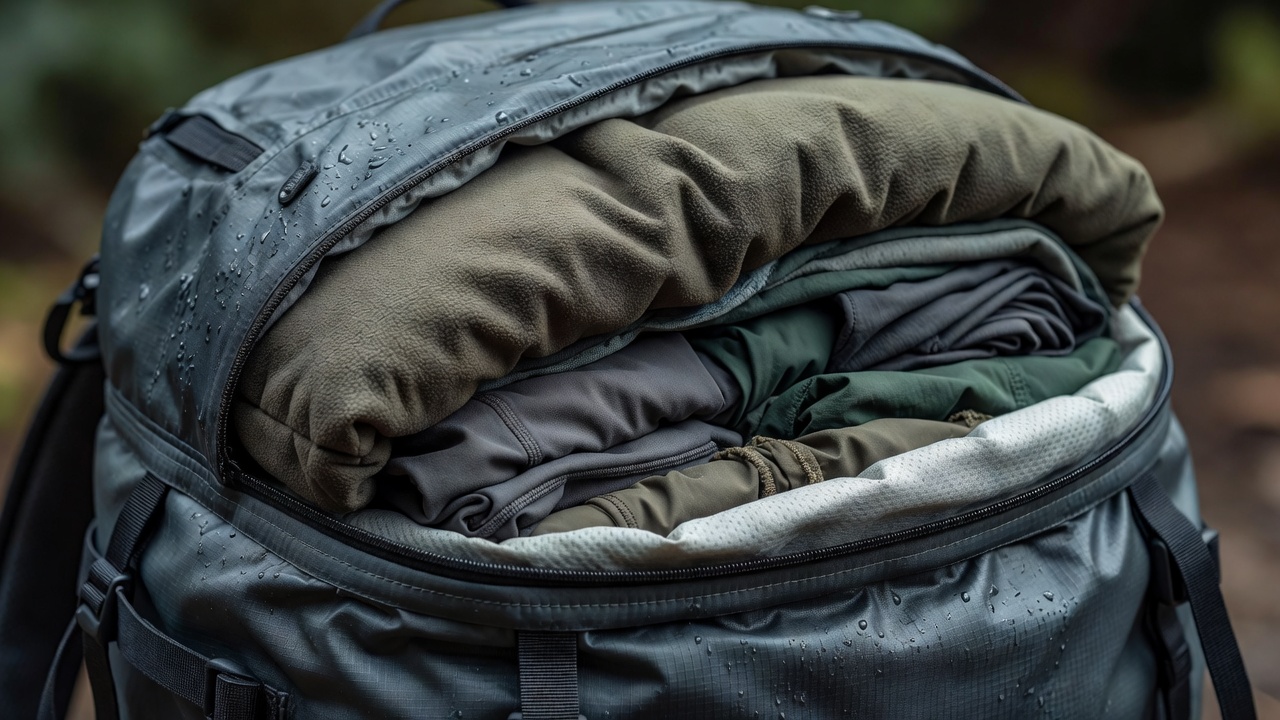
Build a clothing system that lets you adjust effort and exposure: a suitable next-to-skin layer, insulation and protection from wind and precipitation. A warm climb can become a cold stop very quickly. Keep spare dry insulation protected inside the pack, and consider gloves and head protection for the expected mountain conditions, not just the weather at the trailhead.
Water-resistant packaging helps protect vulnerable contents. A waterproof jacket does not protect spare clothing inside a leaking pack. Make it possible to reach a shell layer without unpacking everything into wind or rain. Practise adjustments while wearing the pack so that small tasks do not become avoidable delays.
Keep navigation and light independent
Check that your map covers the route and realistic alternatives. Carry a compass you understand and an appropriate offline digital map if using a phone. Charge devices, consider a compatible backup power source and protect electronics from water and cold. Power-saving choices help, but a charged battery is not proof of reception.
Carry a working headlamp even when you expect to return in daylight. Test the controls and check spare batteries or the charging arrangement. A phone torch is an awkward primary light for a rough descent and consumes a device you may need for navigation or communication. Keep the headlamp where it can be found without emptying the pack.
Plan fuel and water realistically
Carry food you can tolerate and eat conveniently during the walk, with extra for delay. Do not introduce unfamiliar nutrition on the longest day of your season. Plan regular opportunities to eat before fatigue reduces appetite or concentration. Keep something accessible rather than burying all food below spare layers.
Water needs vary with heat, effort, duration and the individual. Identify dependable sources and check whether treatment is necessary; a blue line on a map does not guarantee accessible, flowing or drinkable water. Follow the treatment product instructions and local advice. If the water plan depends on an uncertain source, change the plan or carry an appropriate reserve.
Prepare for a stop you did not choose
Carry first-aid supplies you know how to use, personal medication, a suitable emergency shelter and a means of attracting attention. Consider how the group would protect an injured or exhausted person while waiting. Remote communication devices may be appropriate, but require testing, an active service where applicable and an understanding of limitations.
For technical protective equipment, consult manufacturer instructions and relevant UIAA safety standards. Do not improvise technical systems from a general hiking article. Equipment inspection, appropriate training and competent local advice remain necessary.
Review the packed system
Use these prompts after building a route-specific list. Ticking a box means you have reviewed that category, not that the category is complete for every mountain day. Checks are not saved when you leave or reload this page.
Review each equipment category against your route.
Finally, lift and wear the loaded pack. Walk, bend and adjust it. If the load changes your balance substantially, reassess what you are carrying and whether the intended terrain remains appropriate. A packing list should support a manageable day, not hide an unrealistic plan.